Corrosion Testing Laboratory
Evaluate how your materials perform under corrosive conditions, including stress corrosion cracking (SSCC) assessment.
What Is Corrosion Testing
Corrosion testing evaluates the resistance of metals and alloys to aggressive, corrosive environments. This includes specialized examinations like Intergranular Corrosion (IGC) testing, Hydrogen-Induced Cracking (HIC) testing, and Stress Corrosion Cracking (SSCC) evaluation to ensure structural durability and safety.
Standards & Test Parameters
| Test Type | Standard | Metals Covered |
|---|---|---|
| Intergranular Corrosion (IGC) Test | ASTM A262 Practices A, B, C, E, F | Austenitic & Duplex Stainless Steels |
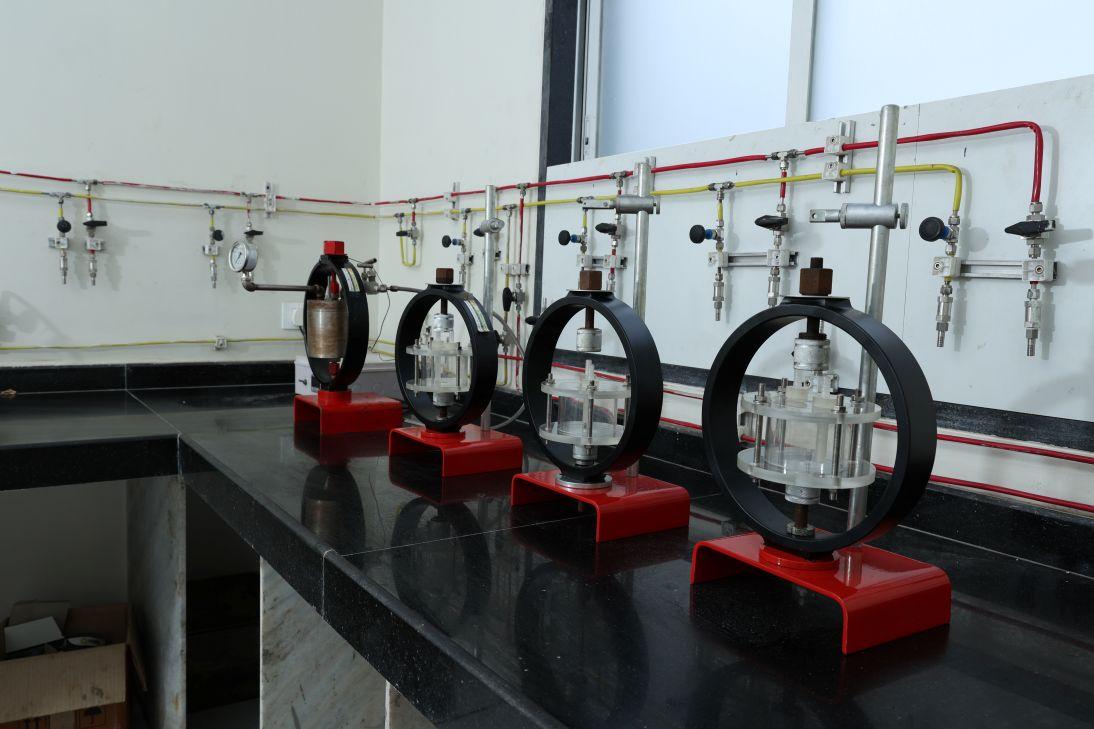
| Stress Corrosion Cracking (SCC / SSCC) | NACE TM0177 / ASTM G39 | Carbon steel, low-alloy steel, stainless steel |
| Pitting & Crevice Corrosion | ASTM G48 Methods A, B, C, D | Duplex, Super Duplex, & Nickel Alloys |
| Hydrogen-Induced Cracking (HIC) | NACE TM0284 | HIC-resistant steel plates, pipes for sour service |
Frequently Asked Questions
What is Stress Corrosion Cracking (SCC) testing?
SCC testing evaluates the cracking susceptibility of materials exposed to static tensile stress in a corrosive environment, simulating service loads in aggressive environments.
What is the turnaround time for IGC tests?
The testing duration depends on the method chosen (e.g., Practice E requires 24 hours of boiling in copper sulfate-sulfuric acid solution). Standard reports are delivered within 48 to 72 hours.